The Importance of Regular Roof Inspections: Insights From Premier Roofing & Exteriors
Consistent roof inspections are vital for property owners looking to maintain their property's value and safety. Premier Roofing & Exteriors highlights the value of catching potential problems early, which can avoid costly repairs. Understanding the common problems and the best practices for inspections can create a meaningful distinction. Property owners often question the optimal schedule for roof inspections and what they entail. Investigating these factors can reveal critical insights for effective roof maintenance.
Why Consistent Roof Inspections Are Vital for Homeowners
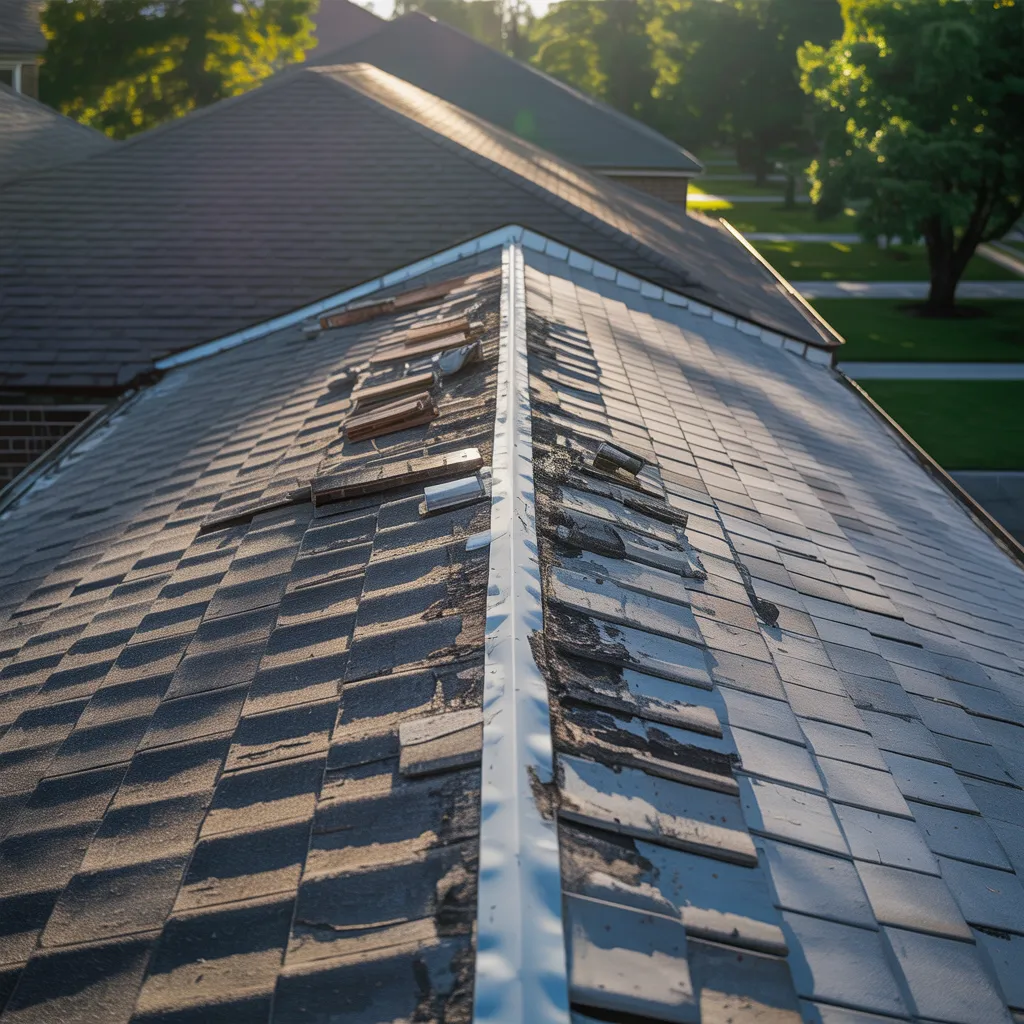
Many homeowners often fail to recognize the significance of roof inspections, routine evaluations are critical to preserving a home's structural soundness. Routine inspections allow for early detection of Premier Roofing & Exteriors potential issues, helping to prevent costly repairs in the future. Weather elements, age, and environmental factors can gradually weaken a roof, making periodic evaluations critical for longevity. Homeowners benefit from identifying minor damages before they escalate into significant problems, guaranteeing the roof stays reliable and structurally sound.
Additionally, regular inspections can enhance energy efficiency, as a properly maintained roof stops air leaks and preserves temperature control. This may result in lower energy bills. Moreover, many insurance policies require proof of maintenance, making inspections necessary for claims. In the end, arranging routine roof assessments provides peace of mind, knowing that the home is protected from the elements and potential hazards. Prioritizing roof inspections is an investment in the overall safety and value of the property.
Detecting Common Roof Concerns
Regular roof inspections serve a critical role in spotting frequent concerns that homeowners might face. Over time, roofs can develop problems such as lost shingles, which expose the underlying materials to dampness and potential water damage. In addition, cracked or curled shingles could suggest deterioration from age or harsh weather, requiring immediate attention.
One other common concern is the accumulation of dirt and debris in gutters, which can lead to water overflow and damage to both the roof structure and the home's foundation. Homeowners should also watch for evidence of sagging or uneven sections, as these may point to structural concerns.
In addition, the existence of algae or moss can hold moisture, contributing to further degradation if not treated. By detecting these common roof concerns in a timely manner, homeowners can reduce potential harm, protecting the longevity and integrity of their roof structures. Routine inspections make it easier to catch these problems before they escalate into major repairs.
Recommended Frequency for Roof Inspections?
At what intervals should homeowners carry out roof inspections? Professionals suggest examining roofs a minimum of twice annually, with the best times being spring and fall. Seasonal changes can impact roof integrity, making routine evaluations essential. Moreover, property owners should plan inspections after severe weather incidents, such as heavy storms or hail, which can result in concealed damage.
Neglecting roof inspections often results in expensive repairs, as small problems frequently worsen over time. For homes located in areas vulnerable to harsh weather conditions, regular inspections are often recommended. New roofs may require reduced inspection frequency early on, but periodic assessments continue to be vital, especially as the roof gets older.
What to Expect During a Roof Inspection?
Throughout a roof inspection, a qualified inspector carefully evaluates the state of the roof, identifying potential issues and signs of wear. The professional first proceeds to examining the roof's outer layer for cracked or absent shingles, cracks, and various types of damage. They further evaluate flashings, gutters, and downspouts to guarantee proper drainage and functionality.
Additionally, the home inspector inspects the roof's overall structural condition, checking for uneven or sagging sections that may indicate underlying problems. They may also check the attic space for signs of moisture or leaks, which are known to cause mold development and additional damage.
In addition, the evaluation covers examining the integrity of ventilation components, confirming they are operating effectively to minimize overheating and moisture buildup. To conclude, the professional notes their findings, supplying the client with a complete summary that describes the current state of the roofing structure and any advice for repairs or maintenance.
How to Tackle Common Roof Concerns
Addressing common roof problems requires a preventative strategy to secure the durability and protection of the structure. Homeowners should regularly inspect their roofs for obvious indicators of wear, such as absent shingles, warped edges, or staining. If leaks are detected, immediate action is essential; filling openings with suitable sealants can prevent further water damage.
For clogged gutters, regular cleaning is essential, as debris accumulation can lead to water pooling and increased roof wear. Furthermore, inspecting for moss or algae development is vital, as such growth can hold moisture and result in structural decay.
For instances involving substantial damage, such as extensive rot or structural issues, consulting a professional roofing contractor is advisable. Early intervention not only lowers repair costs but also extends the roof's lifespan. In summary, staying vigilant and addressing these issues promptly is critical for preserving roof integrity.
The Lasting Advantages of Preserving Your Roof's Integrity
Maintaining a roof's integrity offers significant long-term advantages that homeowners should consider. Routine maintenance can help avoid expensive repairs, making certain that small problems do not worsen over time. Furthermore, a properly cared-for roof can prolong its service life and improve overall energy performance, leading to reduced utility costs.
Stop Costly Repairs
Regular roof inspections can significantly lower the likelihood of expensive repairs down the line. By catching small problems early on, homeowners can tackle concerns before they escalate into substantial damage. A small leak, for instance, can result in extensive water damage and mold growth if neglected. Regular checks allow for prompt upkeep, which substantially minimizes repair expenses. Additionally, evaluations can reveal concealed weaknesses, such as damaged shingles or deteriorating flashing, ensuring that these issues are addressed promptly. Prioritizing routine roof assessments not only protects a home's structural integrity but also boosts its overall property value. Consequently, emphasizing regular roof evaluations is a wise financial decision that protects against unexpected costs and maintains the property's condition in the long run.
Prolong Roof Lifespan
Although many homeowners tend to neglect the significance of roof upkeep, disregarding this critical factor can substantially diminish a roof's durability. Consistent evaluations and maintenance enable the detection of minor concerns before they develop into major ones, safeguarding the roof's overall stability. As the years pass, environmental factors such as UV radiation, rainfall, and snowfall can lead to gradual deterioration. Addressing problems such as loose shingles, rust, or debris buildup can prevent significant damage that necessitates costly repairs or replacements. Through dedication to regular evaluations, homeowners can ensure their roofing structure stays dependable and efficient for the long term. This proactive approach not only extends the life of the roof but also enhances the overall value of the property, making it a wise investment in homeownership.
Improve Energy Efficiency
A well-kept roof can greatly enhance a home's energy performance, leading to considerable cost savings over time. Regular inspections help identify issues such as inadequate insulation or missing shingles, which can lead to energy waste. By addressing these problems promptly, homeowners can stop heat loss during winter months and reduce cooling costs in summer. Additionally, a roof in great shape deflects sunlight effectively, decreasing the demand for heavy air conditioning use. Energy-efficient roofing materials, frequently suggested during roof inspections, can further optimize performance. Ultimately, keeping the roof in optimal shape not only leads to decreased energy expenses but also supports a greener and more sustainable home. This preventative method ensures long-term energy efficiency benefits are sustained for homeowners.
Questions We Often Receive
How Much Do Roof Inspections Typically Cost?
Roof inspections typically cost between $100 and $500, influenced by factors like the home's size, location, and the inspector's experience. A number of companies could offer no-cost inspections as part of their promotional packages.
Am I Able to Carry Out a Roof Inspection Myself?
Absolutely, a property owner can perform a roof inspection on their own. Nonetheless, they should be cautious and aware of safety protocols, as well as possible hazards. It is recommended to seek professional assessments for comprehensive inspections and to uncover concealed damage.
What Credentials Should a Roofing Inspector Possess?
A skilled roofing inspector should maintain appropriate credentials, significant hands-on experience in roofing, thorough understanding of building regulations, and proper safety training. In addition, excellent communication skills are critical for properly communicating findings and recommendations to property owners.
Will Homeowners Insurance Pay for Roof Inspections?
Standard homeowners insurance policies typically exclude roof inspections, as these are considered routine maintenance rather than a covered event. Insurance policy terms vary, so it's advisable for homeowners to review their insurance terms for clarity.
How Can I Find a Reputable Roofing Inspector?
To locate a reliable roofing inspection specialist, one can ask for referrals from friends or family, check online reviews, and validate certifications through professional associations or local licensing boards to guarantee reliability and quality in service.